
Magic at the cinema and on television

Magic at the cinema and on television: the most famous films and TV series
Magic, with its mysterious allure and ability to defy logic, has always exerted an irresistible attraction on the human imagination. The desire to transcend the limits of reality, to reveal the invisible and to accomplish the impossible has found fertile ground in cinema and television to blossom in a thousand forms, enchanting generations of spectators.
Since the first cinematic experiments, magic has played a leading role. From the pioneering special effects of Georges Méliès, who transported audiences into fantastic worlds with his optical illusions, to the golden age of Hollywood, where musicals and romantic comedies often included magic and illusion tricks, films and TV series have used magical art as a central or background element, creating fantastical worlds and memorable characters.
These works have not only entertained audiences, but have also inspired generations of magicians and enthusiasts, fueling the desire to learn the secrets of magical art and to bring a touch of wonder into everyday life.
Timeless classics
- The Wizard of Oz (1939): A fantastic journey into a colorful world full of magic, where Dorothy and her companions meet witches, wizards and extraordinary creatures. The use of special effects and scenography helps to create an enchanting and memorable atmosphere, transporting the audience into a world where everything is possible.
- Fantasy (1940): A masterpiece of Disney animation that explores the evocative power of music and imagination. Magic manifests itself through the dance of the hippos, the flight of Mickey Mouse’s apprentice sorcerer and the battle between the forces of good and evil, demonstrating how art and imagination can create enchanted worlds.
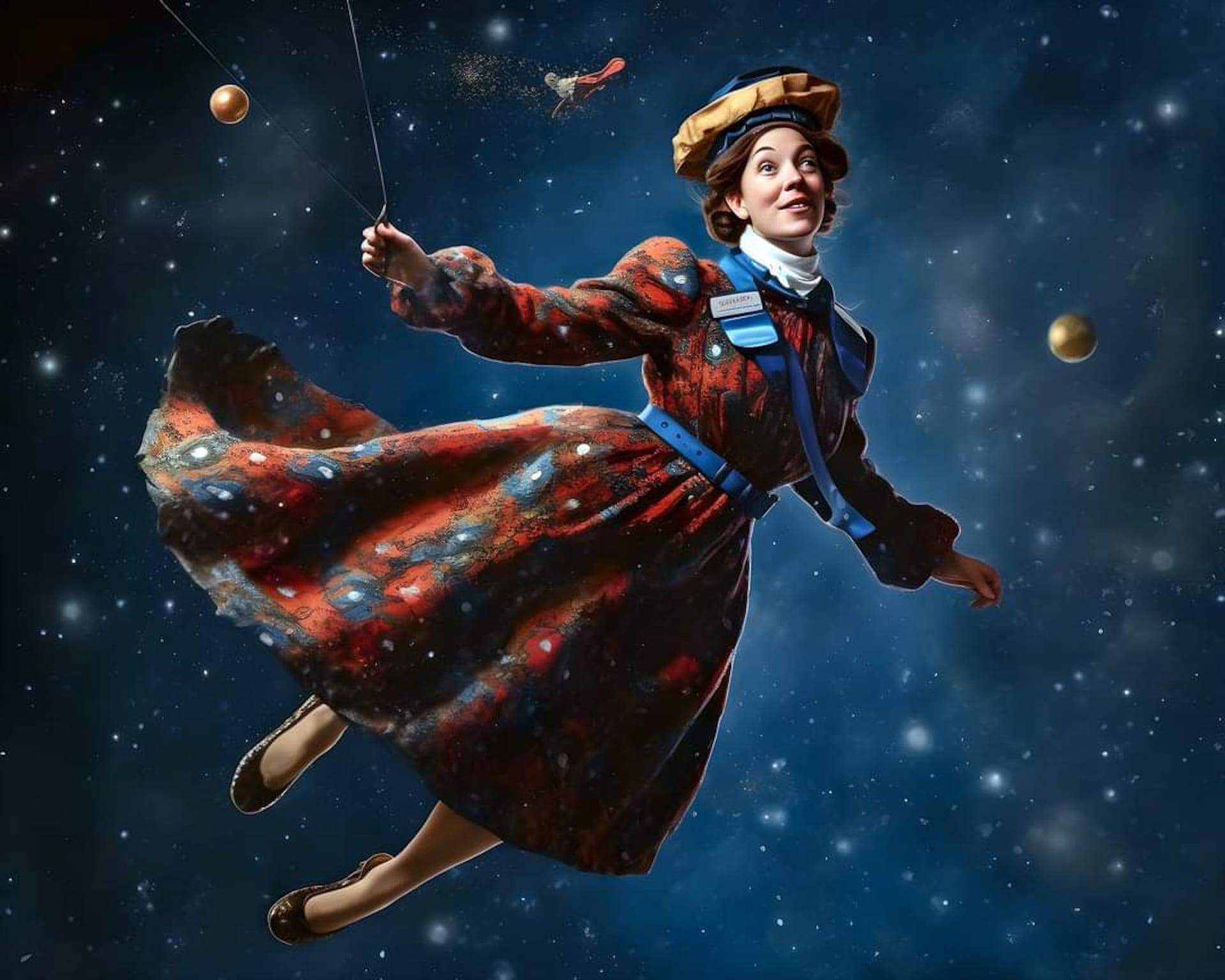
- Mary Poppins (1964): A magical nanny who brings joy and wonder to the lives of a London family. With her talking umbrella and her bottomless bag, Mary Poppins teaches children (and adults) the importance of imagination and fun, demonstrating that magic can be found even in the little things.
- The Neverending Story (1984): An epic adventure that draws the viewer into a fantasy world in danger. Magic is at the heart of the story, with mythological creatures, enchanted objects and a hero who must save the kingdom of Fantasia from destruction. The film explores the power of imagination and the struggle to preserve magic in an increasingly cynical world.
Magic in contemporary cinema
- Harry Potter (saga): JK Rowling’s literary phenomenon has found a faithful and engaging transposition into cinema. The wizarding world of Hogwarts, with its spell lessons, fantastical creatures and epic battles, has won the hearts of millions of viewers around the world, demonstrating the universal power of magic to captivate and inspire.
- The Lord of the Rings (trilogy): A fantasy epic that explores universal themes such as good and evil, friendship and sacrifice. Magic comes in many forms, from rings of power to magical creatures like Gandalf and elves, and represents an element of power and conflict that influences the fate of the world.
- The Prestige (2006): A psychological thriller that explores the dark side of illusionism. Two rival magicians compete in a no-holds-barred competition, obsessed with the desire to reveal each other’s secrets. The film raises questions about the nature of illusion and the sacrifices one is willing to make to achieve perfection.
- Now You See Me (saga): A group of talented illusionists use magic to carry out spectacular heists and challenge the authorities. The film skillfully mixes action, suspense and illusionism, keeping the viewer on the edge of their seats and demonstrating how magic can be used for both noble and selfish purposes.
- Doctor Strange (2016): The introduction of magic and mysticism to the Marvel Cinematic Universe. Stephen Strange, an arrogant neurosurgeon, embarks on a spiritual journey that leads him to become the powerful Doctor Strange, protector of the Earth from mystical threats. The film explores the potential of the human mind and the connection between science and magic.
Spells on the small screen
Magic is not limited to the big screen, but has also conquered the world of television, with TV series that have fascinated audiences of all ages.
- Sabrina the Teenage Witch (1996-2003): A children’s TV series that has won over a wide audience with its fun and light-hearted story of a young witch dealing with everyday life and her magical powers. Sabrina and her aunts Hilda and Zelda have become pop culture icons, proving that magic can also be fun and lighthearted.
- Charmed (Charmed) (1998-2006): Three sisters discover that they are witches and that they have the task of fighting evil with their magical powers. The series explores themes such as the power of family bond, destiny and the struggle between good and evil, offering a mix of action, drama and magic.
- Merlin (2008-2012): A retelling of the legend of King Arthur with a focus on magic and the character of Merlin. The series follows the adventures of the young wizard as he tries to protect Arthur and help him become king, facing enemies and dangers with his magical powers.
- The Magicians (2015-2020): A TV series that explores the theme of magic as an academic discipline and its consequences for the protagonists. A group of students discover the existence of magic and are admitted to a secret school where they learn to master their powers. The series deals with complex themes such as responsibility, power and the consequences of one’s actions.
- WandaVision (2021): A Marvel TV series that explores pain, loss, and the power of the human mind. Wanda Maximoff, a superhero with reality-manipulating powers, creates a fictional sitcom to escape her sadness, but her magic has unpredictable consequences.
The evolution of magic on the screen
Magic, with its ability to evoke wonder, awe and mystery, continues to fascinate audiences of all ages. From timeless classics to contemporary hits, films and TV series magically transport us to fantastic worlds, make us dream of the impossible and remind us of the importance of fantasy and imagination.
Over the years, the portrayal of magic in film and television has evolved, reflecting cultural and technological changes. From the first handcrafted special effects to modern digital technologies, the magic on the screen has become increasingly spectacular and realistic. But beyond the special effects, what makes magic so fascinating is its ability to connect with our deepest desires and make us believe, even for just a moment, that the impossible is possible.
With the advent of virtual reality and artificial intelligence, the future of magic in cinema and television promises to be even more exciting. The possibilities for creating increasingly realistic and engaging illusions are endless, and magic will continue to amaze us and make us dream more and more.